

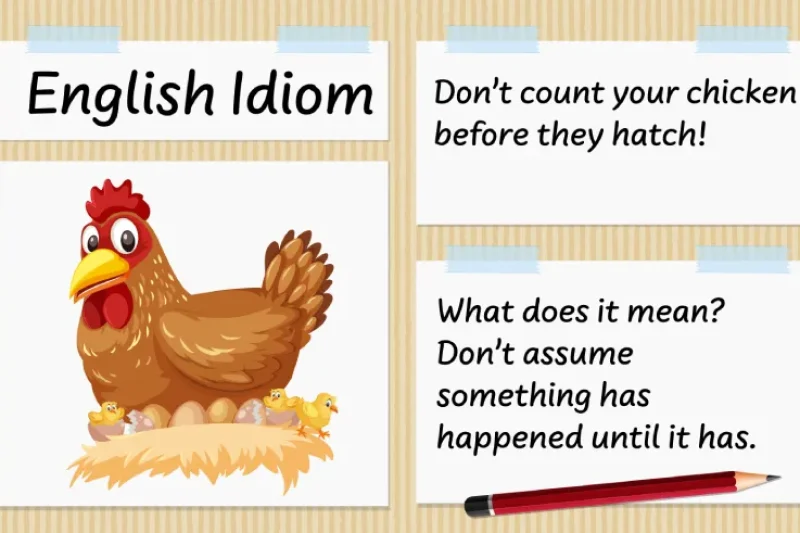
Tidak cuma belajar grammar, menguasai idiom bahasa Inggris juga bisa jadi pembelajaran menarik yang bisa meningkatkan kemampuan berbahasa Inggris.
Idiom adalah ungkapan bahasa yang maknanya berbeda dari arti literal kata-kata penyusunnya.
Dengan idiom percakapan jadi lebih natural dan ekspresif, kita juga bisa terdengar seperti native speaker.
Ingin tahu lebih lanjut? Baca artikel ini hingga selesai, ya!
- Apa Itu Idiom Bahasa Inggris?
- Kenapa Idiom Penting untuk Dipahami?
- Jenis-Jenis Idiom dalam Bahasa Inggris
- Contoh Idiom Bahasa Inggris dan Penggunaannya
- Idiom Bahasa Inggris yang Paling Sering Digunakan
Apa itu Idiom Bahasa Inggris?
Menurut Oxford Learner’s Dictionary, idiom didefinisikan sebagai “sekelompok kata yang maknanya berbeda dari arti kata-kata penyusunnya secara individual.”
Sementara menurut Cambridge Dictionary, idiom adalah “sekelompok kata dengan susunan tetap yang memiliki makna khusus, berbeda dari arti setiap kata secara terpisah.”
Jadi, dapat kita simpulkan bahwa apa itu idiom dalam bahasa Inggris adalah frasa atau ungkapan yang memiliki makna kiasan, bukan makna harfiah dari kata-kata penyusunnya.
Baca Juga: Asking and Giving Opinion & 4 Contoh Dialog Berbagai Situasi
Kenapa Idiom Penting untuk Dipahami?
Idiom terutama digunakan untuk menekankan suatu poin atau ide yang ingin kita sampaikan.
Misalnya daripada bilang “Things will get better,” kita bisa menggunakan idiom, “It’s always darkest before the dawn.”
Dua-duanya artinya sama, tapi yang kedua lebih menarik karena memberikan gambaran visual yang lebih mudah diingat di kepala.
Selain itu, menggunakan idiom juga membuat kalimat tidak terasa membosankan.
Meskipun sering digunakan untuk menegaskan suatu ide, kadang idiom dipakai hanya karena lebih seru untuk diucapkan.
Contohnya, ngomong “Don’t beat a dead horse” terasa lebih menarik daripada cuma bilang “Stop talking about the same idea over and over.”
Jenis-Jenis Idiom dalam Bahasa Inggris
1. Idiom Murni
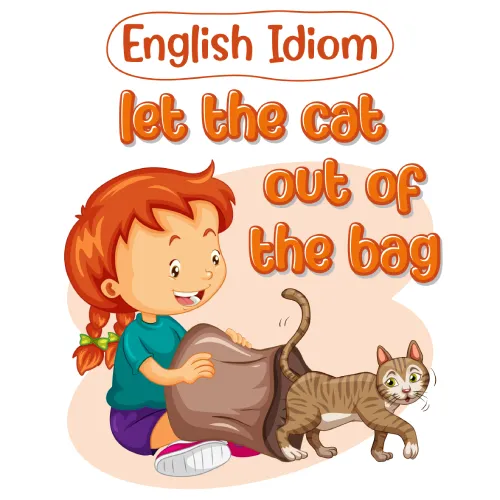
Idiom murni adalah ungkapan yang maknanya sama sekali tidak bisa ditebak dari arti kata per kata.
Kalau diterjemahkan secara harfiah, artinya justru menyesatkan.
Idiom jenis ini harus dipahami sebagai satu kesatuan makna.
Contoh idiom murni:
- Under the weather. (Tidak enak badan.)
- Kick the bucket. (Meninggal dunia.)
2. Idiom Binomial
Idiom binomial adalah idiom yang tersusun dari dua kata yang dihubungkan oleh konjungsi (conjunction) atau preposisi dan urutannya tidak bisa dibalik.
Contoh idiom binomial:
- Pros and cons. (Kelebihan dan kekurangan.)
- Now and then. (Sesekali)
3. Idiom Parsial
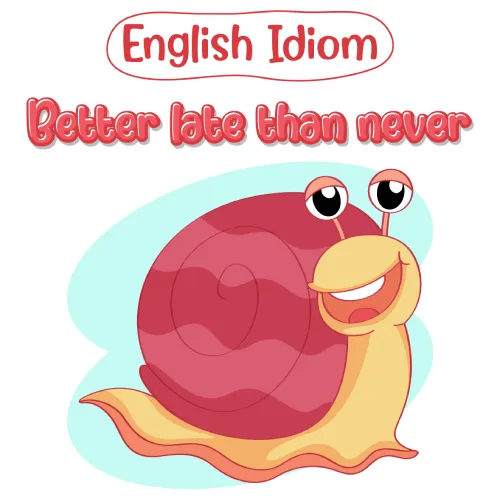
Idiom parsial adalah idiom bahasa Inggris yang sering diucapkan hanya sebagian karena bagian sisanya sudah dipahami oleh penutur yang fasih.
Walaupun tidak lengkap, maknanya tetap bisa ditangkap dengan jelas.
Contoh idiom parsial:
- Better late… (than never). (Lebih baik terlambat daripada tidak sama sekali.)
- If the shoe fits… (wear it). (Kalau itu memang menggambarkanmu.)
4. Idiom Preposisional
Idiom preposisional adalah gabungan kata kerja (verb) + preposisi (preposition) yang membentuk makna baru dan tidak selalu sama dengan arti kata dasarnya.
Idiom bahasa Inggris jenis ini sering disalahartikan karena terlihat seperti frasa (phrase) biasa.
Contoh idiom preposisional:
- Look after (Merawat/menjaga)
- Fall for (Jatuh cinta/tertipu)

Ingin upgrade skill bahasa Inggrismu ke next level? Gabung di Sparks English aja!
Di sini, kamu nggak cuma belajar teori, tapi juga aktif speaking lewat diskusi seru dan dapat feedback langsung dari native teacher.
Ayo coba kelas gratisnya sekarang!
Contoh Idiom Bahasa Inggris dan Penggunaannya
Berikut ini beberapa contoh idiom bahasa Inggris umum yang bisa dipergunakan:
|
Idiom |
Arti |
Contoh Kalimat |
| A blessing in disguise | Hikmah tersembunyi | Losing that job was a blessing in disguise. |
| Add fuel to the fire | Memperkeruh keadaan | Don’t add fuel to the fire. |
| Back to square one | Kembali dari awal | We’re back to square one. |
| Bark up the wrong tree | Salah sasaran | You’re barking up the wrong tree. |
| Beat around the bush | Bertele-tele | Stop beating around the bush. |
| Bite the bullet | Menghadapi hal sulit | I had to bite the bullet. |
| Break the ice | Mencairkan suasana | He told a joke to break the ice. |
| Burn the midnight oil | Begadang bekerja | She burned the midnight oil. |
| Call it a day | Mengakhiri pekerjaan | Let’s call it a day. |
| Cut corners | Mengurangi kualitas | Don’t cut corners. |
| Easy does it | Pelan-pelan saja | Easy does it. |
| Face the music | Menerima konsekuensi | He had to face the music. |
| Get cold feet | Mendadak ragu | She got cold feet. |
| Get out of hand | Tidak terkendali | The situation got out of hand. |
| Go the extra mile | Berusaha lebih | She goes the extra mile. |
| Hit the nail on the head | Tepat sasaran | You hit the nail on the head. |
| In hot water | Dalam masalah | He is in hot water. |
| Jump on the bandwagon | Ikut tren | Many brands jumped on the bandwagon. |
| Keep an eye on | Mengawasi | Please keep an eye on my bag. |
| Leave no stone unturned | Melakukan segala cara | We left no stone unturned. |
| Let the cat out of the bag | Membocorkan rahasia | She let the cat out of the bag. |
| Make a long story short | Singkat cerita | To make a long story short, we won. |
| Miss the point | Tidak paham inti | You missed the point. |
| On cloud nine | Sangat bahagia | She is on cloud nine. |
| Once in a blue moon | Jarang sekali | We travel once in a blue moon. |
| Play it by ear | Bertindak spontan | Let’s play it by ear. |
| Pull someone’s leg | Menggoda | I was just pulling your leg. |
| Put all your eggs in one basket | Bergantung pada satu hal | Don’t put all your eggs in one basket. |
| See eye to eye | Sependapat | We see eye to eye. |
| Sit on the fence | Tidak memihak | Stop sitting on the fence. |
| Spill the beans | Membocorkan rahasia | Who spilled the beans? |
| Take it with a grain of salt | Jangan langsung dipercaya | Take his words with a grain of salt. |
| The ball is in your court | Giliran kamu | The ball is in your court. |
| The tip of the iceberg | Hanya sebagian kecil | This is just the tip of the iceberg. |
| Through thick and thin | Dalam suka duka | We stayed friends through thick and thin. |
| Throw in the towel | Menyerah | He threw in the towel. |
| Under the weather | Kurang sehat | I feel under the weather. |
| Wrap your head around | Memahami sesuatu sulit | I can’t wrap my head around it. |
| A long shot | Kemungkinan kecil | It’s a long shot. |
| Burn bridges | Merusak hubungan | Don’t burn bridges. |
| Cost an arm and a leg | Sangat mahal | That watch costs an arm and a leg. |
| Cry over spilled milk | Menyesali yang sudah terjadi | Don’t cry over spilled milk. |
| Hit the sack | Pergi tidur | I’m going to hit the sack. |
| In the blink of an eye | Dalam sekejap | It happened in the blink of an eye. |
| Know the ropes | Paham cara kerja | She knows the ropes. |
| Make ends meet | Mencukupi kebutuhan | It’s hard to make ends meet. |
| On thin ice | Dalam situasi berbahaya | He’s on thin ice. |
| Out of the blue | Tiba-tiba | She called me out of the blue. |
| Rain on someone’s parade | Merusak kebahagiaan | Don’t rain on my parade. |
| Think outside the box | Berpikir kreatif | We need to think outside the box. |
Baca Juga: 70+ Singkatan Bahasa Inggris Gaul Terbaru
Idiom Bahasa Inggris yang Paling Sering Digunakan
Ini idiom yang paling sering digunakan oleh native speaker di amerika serikat:
|
Idiom |
Arti |
Contoh Kalimat |
| A piece of cake | Sangat mudah | The exam was a piece of cake. |
| Better late than never | Lebih baik terlambat daripada tidak sama sekali | Better late than never. |
| Break a leg | Semoga sukses | Break a leg tonight! |
| By the way | Ngomong-ngomong | By the way, have you eaten? |
| Call the shots | Mengambil keputusan | She calls the shots. |
| Cut to the chase | Langsung ke inti | Let’s cut to the chase. |
| Down to earth | Rendah hati | She is very down to earth. |
| Get over it | Move on | You need to get over it. |
| Give someone a hand | Membantu | Can you give me a hand? |
| Hit the books | Belajar serius | I need to hit the books. |
| Hit the road | Pergi | We should hit the road now. |
| In the same boat | Senasib | We’re in the same boat. |
| Keep it up | Teruskan | Keep it up! |
| Keep your fingers crossed | Berharap yang terbaik | Keep your fingers crossed. |
| Keep your chin up | Tetap semangat | Keep your chin up. |
| Kill two birds with one stone | Sekali jalan dua tujuan | I killed two birds with one stone. |
| Let it go | Lepaskan saja | Just let it go. |
| Look on the bright side | Lihat sisi positif | Look on the bright side. |
| Make a difference | Membawa perubahan | She wants to make a difference. |
| No pain, no gain | Tak ada hasil tanpa usaha | No pain, no gain. |
| On the same page | Sepemahaman | Let’s be on the same page. |
| Peace of mind | Ketenangan pikiran | I need peace of mind. |
| Pull yourself together | Tenangkan diri | Pull yourself together. |
| See the light | Mulai mengerti | He finally saw the light. |
| Sit tight | Tunggu sebentar | Sit tight. |
| Speak your mind | Mengungkapkan pendapat | Speak your mind. |
| Take your time | Santai saja | Take your time. |
| The bottom line | Intinya | The bottom line is we need more time. |
| The last straw | Batas kesabaran | That was the last straw. |
| Time flies | Waktu cepat berlalu | Time flies when you’re happy. |
| Up to you | Terserah kamu | It’s up to you. |
| Water under the bridge | Sudah berlalu | It’s water under the bridge. |
| Your guess is as good as mine | Sama-sama tidak tahu | Your guess is as good as mine. |
| Bite off more than you can chew | Mengambil terlalu banyak | He bit off more than he could chew. |
| Come rain or shine | Apa pun yang terjadi | I’ll be there, come rain or shine. |
| Get the hang of | Mulai paham | I’m getting the hang of it. |
| In the long run | Dalam jangka panjang | It will help in the long run. |
| No strings attached | Tanpa syarat | It’s a gift with no strings attached. |
| Rock the boat | Mengganggu situasi | Don’t rock the boat. |
| See you around | Sampai nanti | See you around! |
| So far so good | Sejauh ini baik-baik saja | So far so good. |
| That’s the point | Nah itu maksudnya | That’s the point. |
| The bigger picture | Gambaran besar | Look at the bigger picture. |
| Throw caution to the wind | Bertindak nekat | He threw caution to the wind. |
| Up in the air | Belum pasti | The plan is up in the air. |
| By all means | Tentu saja | By all means, go ahead. |
| Fair and square | Secara jujur | He won fair and square. |
| In your shoes | Di posisimu | I wouldn’t want to be in your shoes. |
| Keep in touch | Tetap berhubungan | Let’s keep in touch. |
| On purpose | Sengaja | He did it on purpose. |
Baca Juga: 50+ Slang Bahasa Inggris Populer, Gen Z, hingga Millenials
Sekarang kamu sudah mengenal idiom dan cara menggunakannya dalam bahasa Inggris.
Supaya pemahaman ini benar-benar kepakai dalam percakapan sehari-hari, belajar konsisten dengan bimbingan yang tepat jadi kuncinya.
Di kursus bahasa Inggris Sparks English, kamu tidak hanya belajar teori, tapi juga langsung mempraktikkannya lewat diskusi, role play, dan speaking class bersama guru profesional hingga native teacher.

Setiap sesi dirancang agar kamu terbiasa berpikir dan berbicara dalam bahasa Inggris, bukan sekadar menghafal rumus.
Biaya kursusnya mulai Rp70 ribuan per sesi, jadi sudah pasti terjangkau!
Coba dulu lewat free trial class dan rasakan sendiri pengalaman belajarnya.
Kuota terbatas lho, ayo daftar sekarang!